

Virginia is exploring alternative licensing pathways for foreign-trained dentists in 2026 to address workforce shortages, focusing on dental hygiene and preventive care roles. Read more.
U.S. Dental Policy Update | Februray2026
Table of Contents
Virginia has taken a notable step in U.S. dental workforce reform by exploring Alternative Licensing Pathways for Foreign-Trained Dentists. The policy discussions, currently underway in early 2026, reflect growing pressure on state healthcare systems to address shortages in preventive oral care—particularly in dental hygiene.
While the proposed measures do not offer full dental licensure, they signal an important shift in how U.S. states may begin integrating internationally trained dental professionals into regulated roles. For foreign-trained dentists, Virginia’s approach is being closely watched as a potential model for future reform.

Why Virginia Is Reconsidering Dental Licensure Models
Across the United States, access to routine dental care has become increasingly strained. In Virginia, long wait times for cleanings and preventive services have highlighted a significant dental hygienist shortage, especially in rural and underserved areas.
Traditionally, the U.S. dental licensing system has required foreign-trained dentists to complete advanced standing DDS or DMD programs—an expensive and competitive process that can take several years. As a result, many clinically trained professionals remain unable to contribute to patient care despite strong educational backgrounds.
Virginia’s exploration of Alternative Licensing Pathways for Foreign-Trained Dentists reflects a broader policy question now facing regulators: how to expand workforce capacity without lowering standards or compromising patient safety.
Legislative Developments in 2026
During the current legislative session, lawmakers in the Virginia General Assembly are debating bills designed to modernize dental workforce utilization. These discussions focus on limited-scope licensure and new certified roles rather than unrestricted dental practice.
Although the proposals remain under review, they demonstrate a growing willingness to consider flexible regulatory approaches—particularly when workforce shortages persist.

Key Proposal One: Dental Hygiene Licensure for Foreign-Trained Dentists
One of the most closely followed proposals would allow eligible foreign-trained dentists to pursue dental hygiene licensure through a board-regulated evaluation process.
Core Elements of the Proposal
- Assessment of foreign dental education for equivalence
- Oversight by the Virginia Board of Dentistry
- Compliance with certification or examination requirements set by regulators
Why This Proposal Matters
For many internationally trained dentists, this option represents a realistic and structured way to enter the U.S. dental workforce. Within the broader framework of Alternative Licensing Pathways for Foreign-Trained Dentists, dental hygiene licensure offers:
- A legally recognized clinical role
- Faster workforce entry compared to repeating dental school
- Continued engagement in patient care
- Income stability within the dental profession
From a policy perspective, lawmakers view this pathway as a way to expand preventive care capacity while maintaining regulatory oversight.
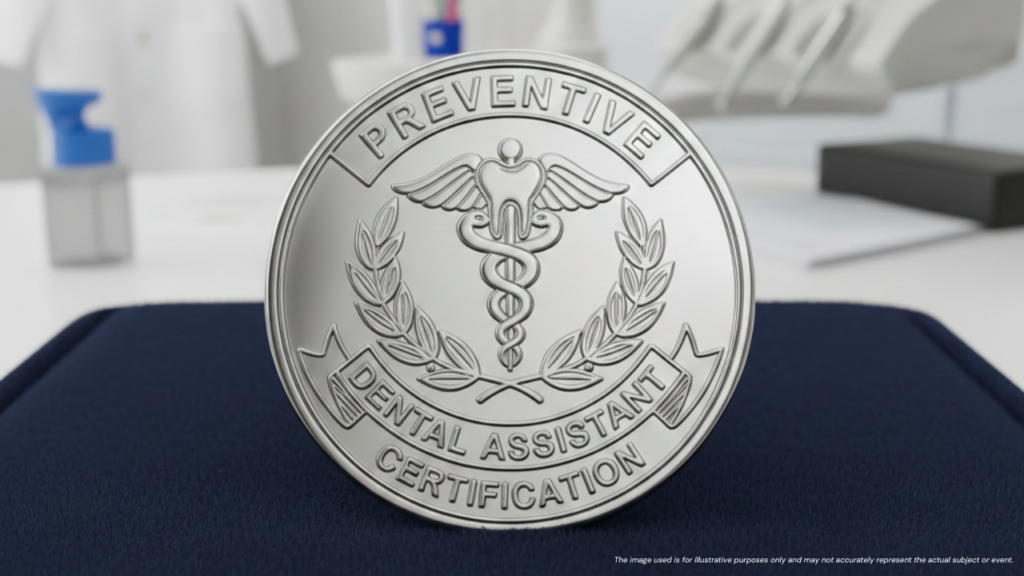
Key Proposal Two: Preventive Dental Assistant Certification
A second proposal under discussion introduces a new category of certified dental professionals, often referred to as Preventive Dental Assistants.
Scope of the Proposed Role
- Performance of basic cleaning and preventive procedures
- Clearly defined duties under supervision
- Streamlined certification compared with traditional hygiene pathways
Workforce Impact
Supporters argue that this role could rapidly relieve pressure on dental practices by redistributing preventive tasks. Within the context of Alternative Licensing Pathways for Foreign-Trained Dentists, the preventive dental assistant role may provide:
- An additional entry point for qualified professionals
- Faster integration into clinical settings
- Expanded team-based care models
While limited in scope, the role aligns with national efforts to improve access to routine oral healthcare.
What These Pathways Do Not Provide
Despite their promise, it is important to clarify the limits of these proposals.
The measures:
- Do not grant DDS or DMD degrees
- Do not allow independent dental practice
- Do not bypass state regulatory authority
Instead, Virginia’s approach focuses on regulated, skills-based participation in the dental workforce. This distinction is critical to maintaining public trust as Alternative Licensing Pathways for Foreign-Trained Dentists are explored.

Why Foreign-Trained Dentists Are Closely Watching Virginia
Interest in Virginia’s policy discussions extends far beyond state borders. Several factors explain why these developments are resonating internationally.
Policy Change Often Starts Incrementally
In U.S. healthcare regulation, large reforms frequently begin with limited roles and pilot pathways. Today’s hygiene or preventive certifications can inform tomorrow’s broader licensure discussions.
Workforce Shortages Create Momentum
States rarely reconsider licensure structures without sustained pressure. Virginia’s willingness to explore Alternative Licensing Pathways for Foreign-Trained Dentists suggests that traditional pipelines are no longer sufficient.
Potential Influence on Other States
If implemented successfully, Virginia’s model could be evaluated by other states facing similar shortages, especially in preventive care.
National Context: A Shift in Healthcare Licensing Philosophy
Virginia’s debate fits into a larger national trend toward flexible workforce regulation. Across healthcare disciplines, policymakers are assessing:
- Competency-based licensure
- Tiered clinical roles
- Expanded preventive care models
Dentistry, historically conservative in licensing reform, is now part of this broader conversation. While widespread change is not imminent, state-level initiatives such as Virginia’s help define the boundaries of future reform.

Current Status and What Comes Next
As of early 2026:
- The proposals remain under legislative review
- Implementation details would be determined by the Board of Dentistry if approved
- No timelines have been finalized
Foreign-trained dentists are advised to follow official legislative updates rather than relying on informal interpretations. Like all Alternative Licensing Pathways for Foreign-Trained Dentists, the final structure will depend on regulatory language and board rules.
Expert Perspective on Long-Term Impact
Healthcare policy experts emphasize that success depends on careful implementation. Clear supervision standards, credential evaluation, and public communication will be essential to ensure patient safety and professional accountability.
If structured properly, Virginia’s initiatives could demonstrate how Alternative Licensing Pathways for Foreign-Trained Dentists can complement existing licensure systems rather than replace them.
Frequently Asked Questions (FAQs)
Is Virginia offering dental licenses to foreign-trained dentists?
No. Virginia is not offering DDS or DMD licensure. The proposals explore alternative pathways such as dental hygiene licensure and preventive care roles
Are these licensing pathways approved and active?
No. As of February 2026, the proposals are under discussion in the Virginia General Assembly and have not yet become law.
Conclusion
Virginia’s exploration of Alternative Licensing Pathways for Foreign-Trained Dentists represents a cautious yet meaningful evolution in U.S. dental workforce policy. While the proposals do not offer full dental licensure, they acknowledge the value of international training and seek to align it with public health needs.
As discussions continue, Virginia may emerge as an early indicator of how U.S. dentistry adapts to workforce realities in the coming decade. For foreign-trained dentists, staying informed about these developments is increasingly essential.
Ready to Apply? Let Medvily Guide You!
Medvily offers a complete suite of services including:
- Tutoring/Mentoring
- Clinical Electives
- Observerships & Externships
- Clinical Research
- Residency Application Support
- Mock Interviews & IV Prep
- Medical Licensing Support
📩 Email: contact@medvily.com
🌐 Website: www.medvily.com
Disclaimer: All trademarks referenced herein are the property of their respective owners. Medvily disclaims any affiliation, sponsorship, or endorsement by such trademark owners or their affiliated companies. The information provided is for general informational purposes only and
[…] If you qualify, July 1, 2026 is a date worth circling.Feel free to check out Virginia Signals New Opportunities Through Alternative Licensing Pathways for Foreign-Trained Dentis… […]